
by Ludovica Proietti
With Harry Nuriev as Designer of the Year, the fair maps out a landscape where objects carry history forward, craftsmanship blurs into contemporary practice, and attention replaces spectacle.
From the 15th to the 19th of January, the winter edition of Maison&Objet opens its doors to a renewed panorama of designers, brands, galleries, and objects across a space of 7 halls, divided into 6 sectors. A dense and energetic landscape that reflects the fair’s vitality and unfolds through four inspirational themes, all framed by the overarching theme Past Reveals Future. With furniture at the centre, the show investigates shifting forms and functions, outlining new scenarios for contemporary design.
Four different inspirational concepts will help define the path of the event: Metamorphosis, Recomposed Baroque, Matter & Mutation, and Neo Folklore. The four inspirational fields will guide both visual exploration and critical debate, operating not as stylistic labels, but as critical tools – active frameworks through which to read the present and question the role of today’s designers. During the exhibitions, they will shape a programme of talks led by established figures and emerging voices, curated by the trend forecasting agency GOODMOODS, addressing current design approaches and future trajectories.
Gallery
Open full width

Harry Nuriev ©Daniel Roché
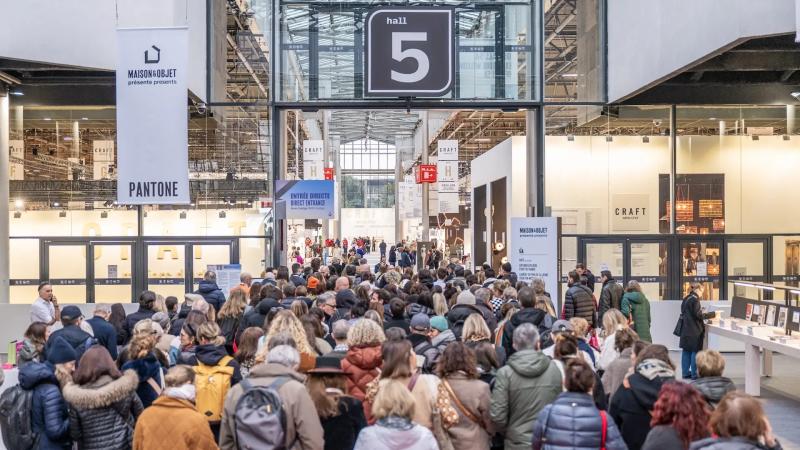
Maison&Objet, Opening January25 © Anne-Emmanuelle Thion
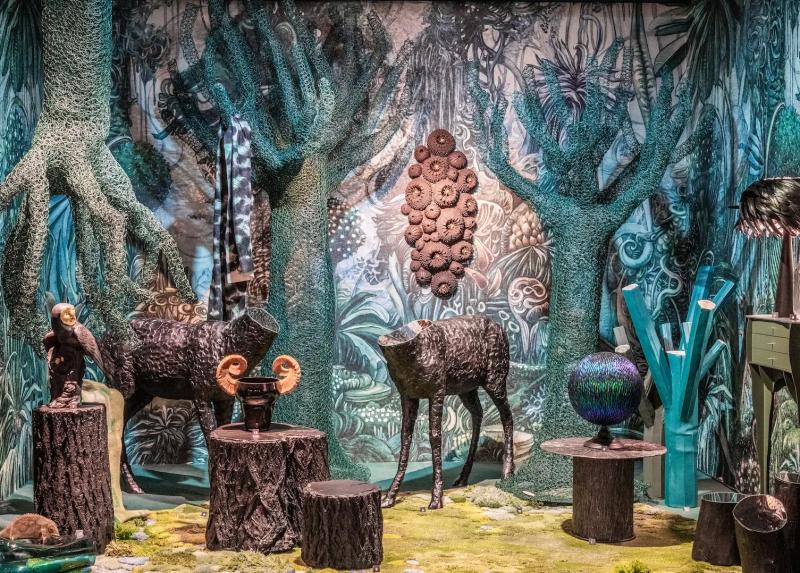
Maison&Objet, January 25, HALL7, What_s New In Decor © Anne-Emmanuelle Thion
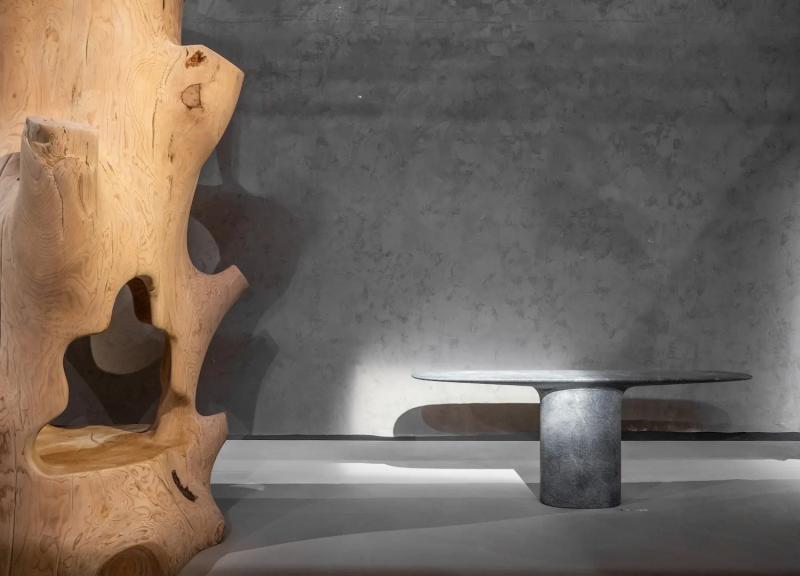
Maison&Objet, January 25, HALL7 – Curatio © Anne-Emmanuelle Thion
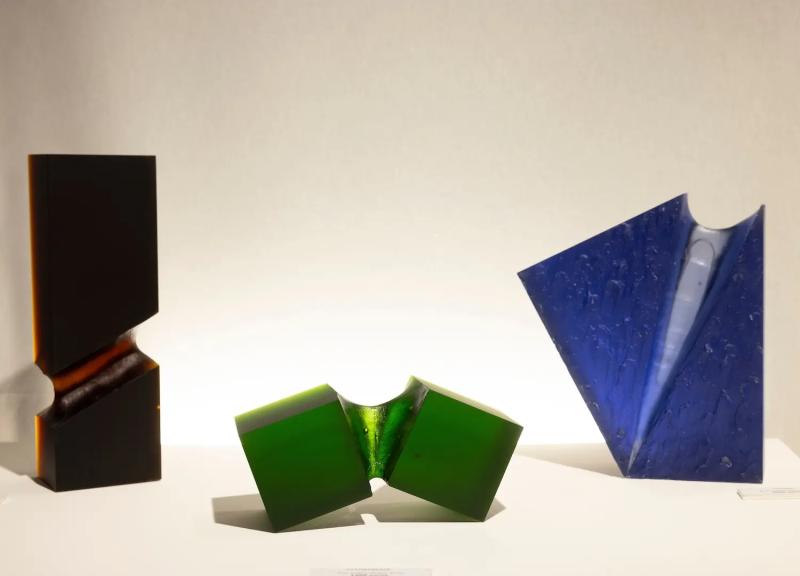
Maison&Objet, January 25, HALL5A – Craft, Antoine Rault, Glass Artist © AN

Galerie Sultana by Crosby studios © Benoit Florencon
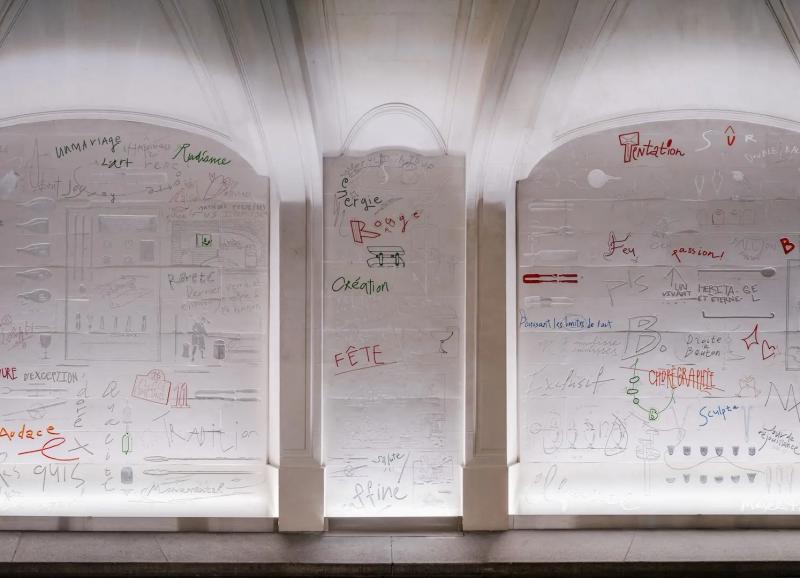
Crosby Studios, Baccarat © Benoit Florencon

Maison&Objet Manifesto January 2026 ©Maison&Objet
Open full width
These four directions inform the fair as a whole, enriching exhibitions, curated paths, and the What’s New? showcases, while offering designers and brands a shared cultural and conceptual ground – whether formal, technical, or poetic.
The What’s New? section will be articulated through three distinct perspectives: What’s New? In Decor, curated by Elizabeth Leriche; What’s New? In Retail, by François Delclaux; and What’s New? In Hospitality, by Rudy Guénaire. Each curator shapes a dedicated space, defining key market trends for their respective segment through a curated selection of products drawn directly from the fair’s exhibitors.

Maison&Objet Manifesto January 2026 © Maison&Objet
At the heart of this edition is Harry Nuriev, awarded Designer of the Year. His work moves between collectible design and contemporary art, quietly loosening the boundaries between the two. Through Transformism, his creative manifesto, Nuriev reflects on the continuous transformation of objects, spaces, and meaning that already exist.
“The first time I visited Maison&Objet, I had just founded Crosby Studios,” said the designer. “I left the fair full of inspiration and new connections and immediately felt a strong connection to its inclusive and community-driven approach to design. What struck me most was the sense of community that Maison&Objet creates around the event. Artisans, curators, studios, brands – everyone comes together and contributes to this incredible collective energy. At every corner, from one edition to the next, you can catch unexpected conversations as they unfold.”

Galerie Sultana by Crosby studios © Benoit Florencon
A critical voice within contemporary design culture, his practice is object-based yet data-aware, driven by a constant circulation of ideas. Nuriev operates through a fluid, cross-disciplinary studio model: from product design to immersive, site-specific environments, his work is guided by a precise artistic vision, where each project captures the pulse of its time – making his appointment as Designer of the Year not only a personal milestone, but a cultural signal of Maison&Objet’s direction.
For the fair, Nuriev turns to history to question our relationship with furniture and its consumption. His exhibition is an immersive experience that privileges attention over spectacle – an invitation to active contemplation on the power of design to transform our perception of everyday life. Each piece functions as a totem of its era, projected toward a minimalist and lucid future. The space itself becomes a critical device, encouraging new ways of seeing, using, and valuing objects. What is familiar shifts into the realm of the collectible, marking the beginning of a conversation deliberately left open.
Nuriev is not the only highlight of the January edition. This year sees the introduction of three new areas that sharpen and expand the fair’s vision. Manufactures of Excellence, within Signature & Projects, spotlights a curated group of 20 Living Heritage Companies (EPV), celebrating exceptional artisanal and industrial savoir-faire across furniture, lighting, textiles, and decorative arts. The Eco-Responsible Design Collective brings together international producers of sustainable materials and surfaces, reaffirming Maison&Objet’s focus on responsible innovation. Completing the update, the expanded Outdoor section frames 50 exhibitors of outdoor design as an extension of contemporary living, presenting furniture and solutions that combine aesthetics, durability, and environmental awareness across residential and hospitality contexts.
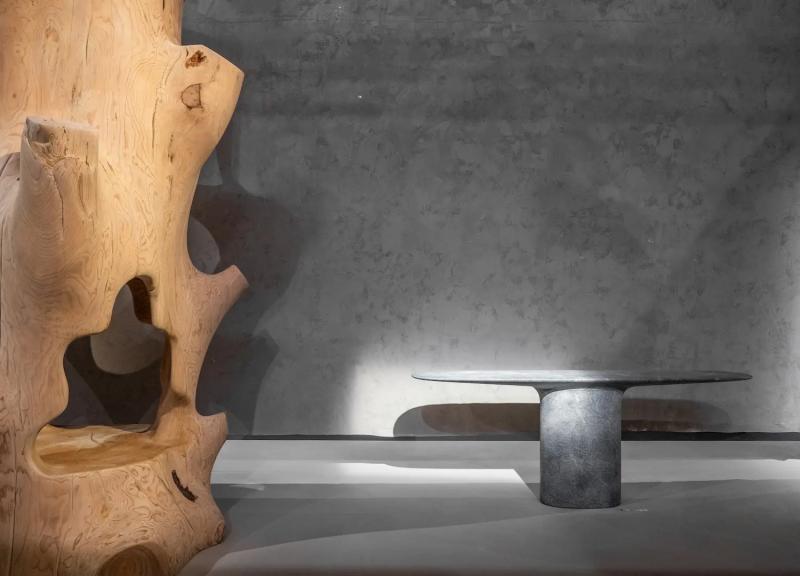
Maison&Objet, January 25, HALL7 – Curatio © Anne-Emmanuelle Thion
Returning for its second edition, Curatio, curated by Thomas Haarmann, brings collectible design to the foreground with 60 international participants, tracing a path where conceptual rigor meets a refined idea of luxury. Craft – Métiers d’Art continues to explore the close, evolving relationship between design and craftsmanship. Beyond the fairgrounds, a dense programme of events, exhibitions, and gatherings animates Paris through Maison&Objet In the City, reinforcing the fair’s role not only as a marketplace, but as a cultural platform with international reach.
Taken together, the January edition of Maison&Objet confirms its role as more than a trade fair. It positions itself as a space of cultural observation, where design is read, tested, and discussed through multiple lenses. Between critical themes, new formats, and voices such as Harry Nuriev’s, the fair offers a precise snapshot of the present – while leaving room for the questions that will shape what comes next.