Contents
- 1 What Constitutes Sustainable Landscape Design?
- 2 How Do You Begin the Landscape Design Process?
- 3 What Questions Should You Ask a Landscape Architect?
- 4 How Do Landscape Architects Approach Climate Action?
- 5 What Are the Sunlight Levels Needed for Landscape Design?
- 6 How Do You Measure Landscape Performance?

Sofia Klein
Environmental responsibility meets design excellence in modern landscape architecture. Climate change pushes forward while cities grow bigger. Sustainable landscape design now bridges the gap between caring for nature and meeting human needs. This guide covers the methods, measurements, and new ideas that shape today’s sustainable landscape architecture principles. You’ll find a clear path for creating tough, high-performing outdoor spaces that adapt to our changing climate.
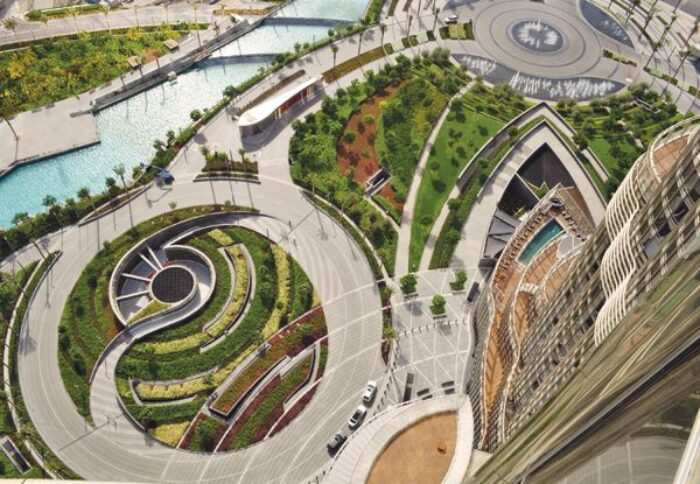
Climate action in landscape design can’t wait. Studies show that well-designed sustainable landscapes cut urban heat by up to 9°F. They also store about 48 pounds of carbon per square foot each year. The real challenge isn’t just going green. It’s building smart measurement systems that track environmental performance across different scales and timeframes. This analysis pulls from research in fluid dynamics, soil science, and ecological engineering. You’ll get a systematic approach to sustainable landscape architecture that delivers real results.
What Constitutes Sustainable Landscape Design?
Sustainable landscape design works as a complex system where connected elements work together. They boost environmental performance while keeping things beautiful and functional. This approach combines water cycle management, carbon storage methods, and biodiversity strategies through precise technical work.
Soil Health as the Foundation
Everything starts with healthy soil. Landscape architects analyze soil composition to find the right organic matter content. Most temperate climates need 3-5% organic matter. They also check pH levels and microbial activity. Adding biochar at 2-4 tons per hectare can boost water retention by 18-25%. This also helps store more carbon in the soil.
Water Management Systems
Smart water management uses green infrastructure technologies. Bioswales work best with specific soil mixes: 60% sand, 20% compost, 15% topsoil, and 5% perlite. These systems should drain 0.5-2.0 inches per hour. Permeable paving helps too. It needs 15-25% void space and should drain over 200 inches per hour. Together, these systems cut storm water runoff by 40-60% compared to regular paving.

Native Plant Selection Strategy
Native plants come from within 100 miles of your site. This ensures they’re suited to local conditions. Choose species that handle climate changes well and work with soil fungi. Plant communities follow natural patterns from landscape ecology. They create connected habitats while needing less maintenance.
How Do You Begin the Landscape Design Process?
The technical landscape design process starts with thorough site analysis. You’ll use traditional surveying and advanced remote sensing. LiDAR data gives you precise topographic maps. Multispectral imagery shows vegetation health, soil moisture, and microclimate patterns across your site.
Site Investigation Methods
Soil testing happens on a 50-foot grid, going 6-10 feet deep. Labs analyze particle size, water movement, and chemical makeup. At the same time, you’ll measure water flow and test how fast water soaks into soil. This gives you baseline numbers for how water moves through different soil types.
Climate Data Collection
Weather stations record temperature, humidity, wind speed, solar radiation, and rainfall every 15 minutes. You need at least 12 months of data. This feeds into water use calculations using the Penman-Monteith equation. You’ll know exactly how much water plants need and when.
Design Development Process
Computer modeling helps test thousands of layout options. These programs check solar access, wind patterns, and storm water flow. You get designs backed by data, not just guesswork. The focus stays on measurable environmental performance plus good looks.
Site programming studies how people use spaces. This looks at walking patterns, activity zones, and when people visit. This information helps place hardscape and softscape integration elements where they work best for both nature and people.
What Questions Should You Ask a Landscape Architect?
Working with landscape architects means asking the right questions. You need to know their technical skills in sustainable design methods and performance-based planning. Start by asking how they analyze your site’s specific climate and use local weather data in their designs.
Soil Health Assessment Questions
Ask about their soil testing methods. Do they go beyond basic pH and nutrient tests? Good practitioners should discuss organic matter content, soil compaction fixes, and building soil fungal networks. They should know how to measure soil carbon and predict carbon storage over 20-50 years.
Water Management Expertise
Water management needs detailed storm water calculations. They should know rainfall equations, flow timing, and runoff rates for different surfaces. Their plant choices should use local water data, plant water needs, and water-saving irrigation methods.
Sustainable Materials Knowledge
Ask about material carbon footprints and lifecycle analysis. They should know permeable paving specs, recycled content in hardscape materials, and maintenance needs for sustainable systems. This shows they think about long-term performance.
Performance Monitoring Capabilities
Advanced practitioners use soil moisture sensors, weather stations, and long-term monitoring. Leading professionals install sensor networks that give real-time data on irrigation efficiency, plant health, and carbon measurements. This separates good designers from great ones.
Ask about their knowledge of standards like LEED for Homes, SITES certification, and local green building codes. If they can explain specific performance targets and measurement methods, they have the technical understanding you need.
How Do Landscape Architects Approach Climate Action?
Climate action in landscape architecture means measurable steps that directly reduce greenhouse gas emissions. Professional practitioners use carbon accounting to calculate current emissions, project storage potential, and monitor performance over time.
Carbon Storage Strategies
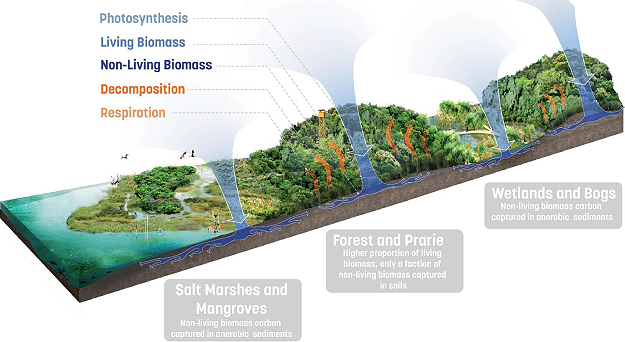
Carbon storage focuses on building soil organic matter through strategic organic additions and cover crops. Research shows that increasing soil organic matter by 1% can store 8.5 tons of CO₂ per acre annually. Practitioners apply compost at 2-4 cubic yards per 1,000 square feet. They also add soil fungi that boost carbon transfer efficiency by 25-40%.
Urban Heat Reduction
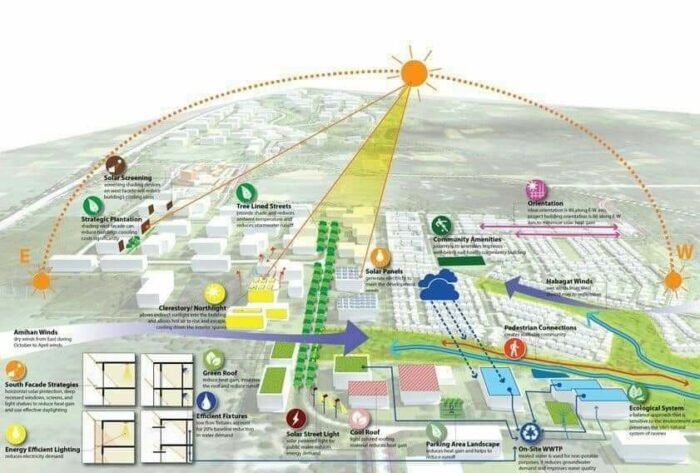
Fighting urban heat means smart tree placement based on sun angles and wind patterns. Getting 40-50% tree coverage in neighborhoods can drop temperatures by 4-7°F in summer. Species selection matters too. Oak trees can release 40,000 gallons of water daily, creating cooling effects within 150 feet.
Storm Water Climate Resilience
Storm water systems now plan for climate change. They use 100-year flood projections plus 20% more precipitation. Green infrastructure like bioswales, constructed wetlands, and permeable surfaces get sized for bigger, more frequent storms.
Energy Reduction Through Design
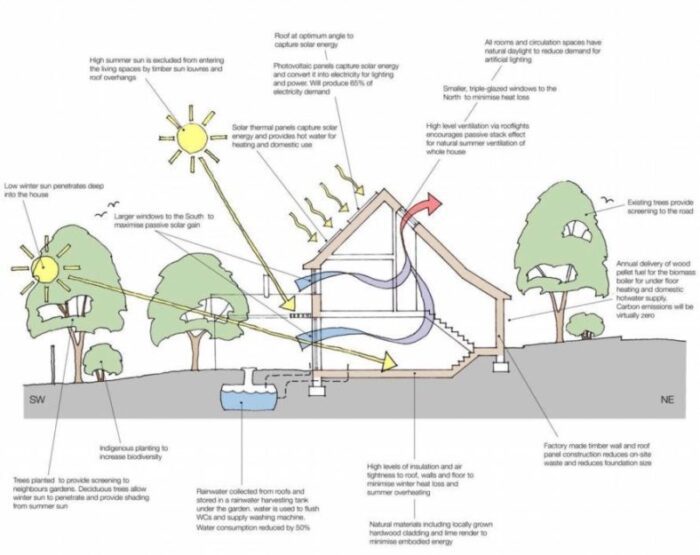
Good landscape design cuts building energy use by 15-25%. This happens through strategic shading, wind channeling, and plant cooling. These passive design principles reduce air conditioning loads through microclimate changes and natural ventilation.
Native plant communities adapt to climate change. Species selection uses climate modeling that projects where plants will thrive as temperatures rise. Practitioners now use assisted migration, choosing plant genetics from 2-3 degrees latitude south to prepare landscapes for warmer conditions.
What Are the Sunlight Levels Needed for Landscape Design?
Understanding sunlight drives sustainable landscape design. You need to measure photosynthetically active radiation (PAR), daily light totals (DLI), and seasonal changes across your site. Professional landscape architects use hemispherical photography and solar path analysis to determine actual light availability year-round.
Light Level Classifications
Full sun needs 6-8 hours of direct sunlight daily. That equals 35-50 moles of photons per square meter per day. Partial sun gets 4-6 hours (20-35 moles). Partial shade receives 2-4 hours (10-20 moles). Full shade, with less than 2 hours of direct sun, provides about 5-10 moles daily.
Plant Selection and Light Requirements
Matching plants to light conditions requires quantum sensors. These measure photosynthetic photon flux density (PPFD) in micromoles per square meter per second. High-light plants need 500-1000 μmol m⁻² s⁻¹ during growing season. Shade plants work well at 50-200 μmol m⁻² s⁻¹.

Canopy Management for Light
Tree spacing calculations consider mature canopy size, sun angles, and desired light levels underneath. Smart pruning can increase understory light by 15-30% while keeping canopy benefits. This balances shade needs with understory plant requirements.
Solar access analysis for homes shows 47-degree changes in sun angle between winter and summer at mid-latitudes. This analysis helps place solar-dependent features like vegetable gardens, which need 6-8 hours of direct sun for good production.
Advanced practitioners use Building Information Modeling (BIM) software with solar analysis tools. These create accurate shade studies throughout the year. The models account for existing buildings, proposed mature plantings, and terrain changes to predict long-term light patterns.
How Do You Measure Landscape Performance?
Measuring landscape performance uses monitoring systems that track ecological, water, and social benefits through standardized metrics and continuous data collection. Current practice combines Internet of Things (IoT) sensor networks with manual monitoring to create complete performance datasets.
Water Performance Monitoring
Water monitoring uses automated weather stations with soil moisture sensors at multiple depths (6″, 18″, 36″). These track infiltration rates, water storage, and plant water use patterns. Flow measurement devices in storm water features record peak flow reductions. Successful installations typically achieve 40-60% runoff reduction compared to conventional landscapes.
Carbon Measurement Methods
Carbon storage measurement follows established protocols including soil sampling at standard depths. Labs use loss-on-ignition methods to determine organic matter changes over time. Advanced practitioners use eddy covariance systems for real-time carbon flux measurements. Typical storage rates run 0.5-2.0 tons CO₂ equivalent per acre annually for well-managed sustainable landscapes.
Biodiversity Assessment
Biodiversity assessment uses standardized surveys recording species richness, abundance, and functional diversity. Successful sustainable landscapes show 40-60% higher native species diversity than conventional installations. Pollinator activity shows 3-5 times more visits and species diversity.
Energy Performance Tracking
Energy monitoring includes microclimate sensors tracking cooling effects from plant transpiration and shading. Well-designed sustainable landscapes achieve 5-15°F temperature reductions during peak summer. This translates to 10-25% reductions in nearby building cooling loads.
Water Use Efficiency
Water efficiency monitoring uses smart irrigation controllers with soil moisture feedback and weather station integration. Performance targets include 30-50% irrigation water reduction compared to conventional landscapes. Plant health stays above 85% based on NDVI measurements from drone-mounted cameras.
Social Performance Metrics
Social metrics include user activity monitoring through automated pedestrian counters, user surveys, and space use analysis. Successful sustainable landscapes show 25-40% higher usage rates than conventional designs. Users report better thermal comfort and aesthetic quality.
Air quality monitoring uses particulate matter sensors (PM2.5, PM10) and NOx measurement devices to track pollution reduction benefits. Plant-rich sustainable landscapes can achieve 10-20% reductions in local air pollutants through filtration and absorption.
Integrating these measurement systems requires data management platforms that process multiple data streams and generate performance reports. These show compliance with sustainability targets and certification requirements. Leading practitioners use cloud-based analytics platforms with real-time performance dashboards and automated reporting for clients and certification bodies.
This complete approach to performance measurement supports evidence-based landscape management decisions and adaptive management strategies. It provides the quantitative data needed to validate sustainable landscape design investments. The continuous feedback loop between monitoring and design refinement drives sustainable landscape architecture practice toward more effective climate action and environmental stewardship.
Tags: carbon sequestrationclimate-responsive designgreen infrastructurehardscape softscape integrationLandscape Architecturelandscape performance metricsresidential landscape architectsstormwater managementsustainable landscape designurban landscape solutions

Sofia Klein
Sofia Klein is a Projects Editor at Arch2O, originally from Germany, with a Master’s in Architecture and Urban Design from the Technical University of Munich. Since joining Arch2O in October 2023, she has helped shape the platform’s editorial direction, focusing on sustainability, cultural relevance, and urban innovation. With nearly a decade of experience in architecture and editorial work, Sofia brings clarity and depth to every project she curates. Her ability to transform complex ideas into accessible narratives bridges the gap between professionals and the public, strengthening Arch2O’s role in global architectural discourse.